Why You Should Choose Denwud’s 3-Layered WPC Board for Your Home
Why You Should Choose Denwud’s 3-Layered WPC Board for Your Home
Most people don’t think too deeply about interior boards until problems begin to show. A kitchen shutter starts swelling. A wardrobe back panel bends. Termites quietly do their damage. These issues usually don’t appear overnight, but once they do, replacing interiors becomes expensive and frustrating. This is why more homeowners are now choosing 3-layer WPC boards for their homes — boards designed to handle real living conditions, not just showroom displays.
Denwud’s 3-layered WPC board is built for homes that need strength, stability, and peace of mind, without constant repairs or replacements.
What Is a 3-Layer WPC Board?
A 3-layer WPC board is an engineered interior board made using three carefully bonded layers, each with a clear purpose. This layered structure improves performance compared to regular single-layer boards.
The core is solid and thick and provides the strength and load-carrying capacity to the board. This is what avoids bending or sagging with time. The upper and under layers are more polished and smooth in order to shield the core and to present an even surface to finish.
Together, these layers work as one unit. The result is a board that stays stable, holds its shape, and performs consistently across different interior applications. A wpc 3 layer board is especially useful in spaces where moisture, weight, and daily usage are unavoidable.
Key Benefits of 3-Layer WPC Board
One of the biggest reasons homeowners switch to a 3-layer WPC board is complete water and moisture resistance. Spills, humidity, or damp conditions don’t weaken the board or affect its structure.
Another major advantage is that it is termite and borer-proof. No chemical treatment is necessary for the concern of latent damage over time. This is a safer and cleaner option in the interiors.
The board also provides high load-bearing strength. It does not crack or bend under the weight, whether it is a kitchen cabinet, a wardrobe or even a storage unit. It is fire-resistant, which provides an added level of safety, particularly in kitchens and enclosures.
Low maintenance is another strong benefit. There’s no polishing, repainting, or surface repair required. Along with this, the board is eco-friendly and sustainable, reducing dependency on natural wood while offering long-term usability.
What Makes Denwud’s 3-Layered WPC Board Different?
Not all WPC boards are made the same. Denwud concentrates on controlled manufacturing, whereby there is uniform density and balanced layering in all boards.
The boards are designed to suit Indian climatic conditions, and hence they are largely relied upon as WPC boards in Kerala, where humidity and moisture are a way of life. The layered structure helps prevent expansion, surface damage, and internal stress over long periods.
Denwud boards also offer a smooth surface that accepts laminates, paints, and finishes without cracking or peeling. Accurate thickness and dimensional stability make installation cleaner and furniture alignment more precise, reducing on-site adjustments.
Why WPC Boards Are Ideal for Modern Homes
Contemporary interior requires materials that are user-friendly, strong and flexible. WPC boards are easy to fulfil these expectations. They are usually utilized in modular kitchens, wardrobes, TV units, bathroom vanities, as well as custom furniture.
They are easy to handle because they are light in weight when they need to be installed, and their stability lasts long as they are strong. The screw-holding capacity is also consistent and this makes the furniture remain firm even after years of use.
For homeowners who want interiors that look good and function smoothly without constant upkeep, WPC boards offer a balanced, future-ready solution.
Conclusion – Upgrade Your Home with Denwud’s 3-Layer WPC Board
Interior materials should work quietly in the background, doing their job without creating problems. Denwud’s 3-layered WPC board delivers exactly that — strength, resistance, safety, and reliability in one solution.
From kitchens to bedrooms and custom furniture, it supports everyday living without compromise. Choose Denwud for durable, stylish, and sustainable interiors that are built to last.
FAQs
1. What is the difference between normal WPC and 3-layer WPC?
Normal WPC boards have a single structure, which limits strength. A 3-layer WPC board uses reinforced outer layers and a solid core, improving load-bearing capacity, dimensional stability, and long-term performance in demanding interior applications.
2. How is a 3-layered WPC board different from plywood?
A 3-layered WPC board will not absorb water, swell, or attract termites like plywood. It works well in wet climates and is less demanding in terms of maintenance, and is stable in structure with time, based on frequent usage.
3. How long does a Denwud WPC board last with regular use?
With normal residential usage, a Denwud WPC board can last for decades. Its resistance to moisture, pests, and surface damage ensures consistent performance without frequent repairs or replacements.
4. Is Denwud WPC board water-resistant, termite-resistant and borers-resistant?
Yes, Denwud WPC boards are completely waterproof, termite-free free and resistant to borers. They can be used in kitchens, wardrobes and damp interior areas because of their composition that inhibits the absorption of moisture and pest infestation.
5. Can Denwud boards be used for modular furniture and custom interiors?
Denwud boards are well-suited for modular kitchens, wardrobes, cabinets, and custom interiors. Their strength, smooth finish, and ease of fabrication allow for clean designs and durable furniture construction.
Recent Blogs
How to make Kitchen attractive?
09 Oct, 2021
Interior design materials that are the most Eco-Fr...
11 Oct, 2021
Ideas for Stunning Ceilings
11 Oct, 2021
Looking for an appropriate Gate for your House?
29 Oct, 2021
Manufacturing and Resistance of WPC Boards, PVC Sh...
29 Oct, 2021
Why most people choose PVC Walls
19 Jan, 2022
How Amazingly Facade Adorns An Architecture!
02 Mar, 2022
Advantages of WPC Boards Over Plywoods
20 Dec, 2023
Creating Stunning Outdoor Spaces with Denwud's...
08 Jan, 2024
5 Reasons Why You Should Choose PVC Foam Sheets...
10 Jan, 2024
Installing and Maintaining PVC and WPC Products
18 Jan, 2024
How to Create an Eco-Friendly Interior
29 Jan, 2024
5 Creative Ideas for Kitchen Cabinets
06 Feb, 2024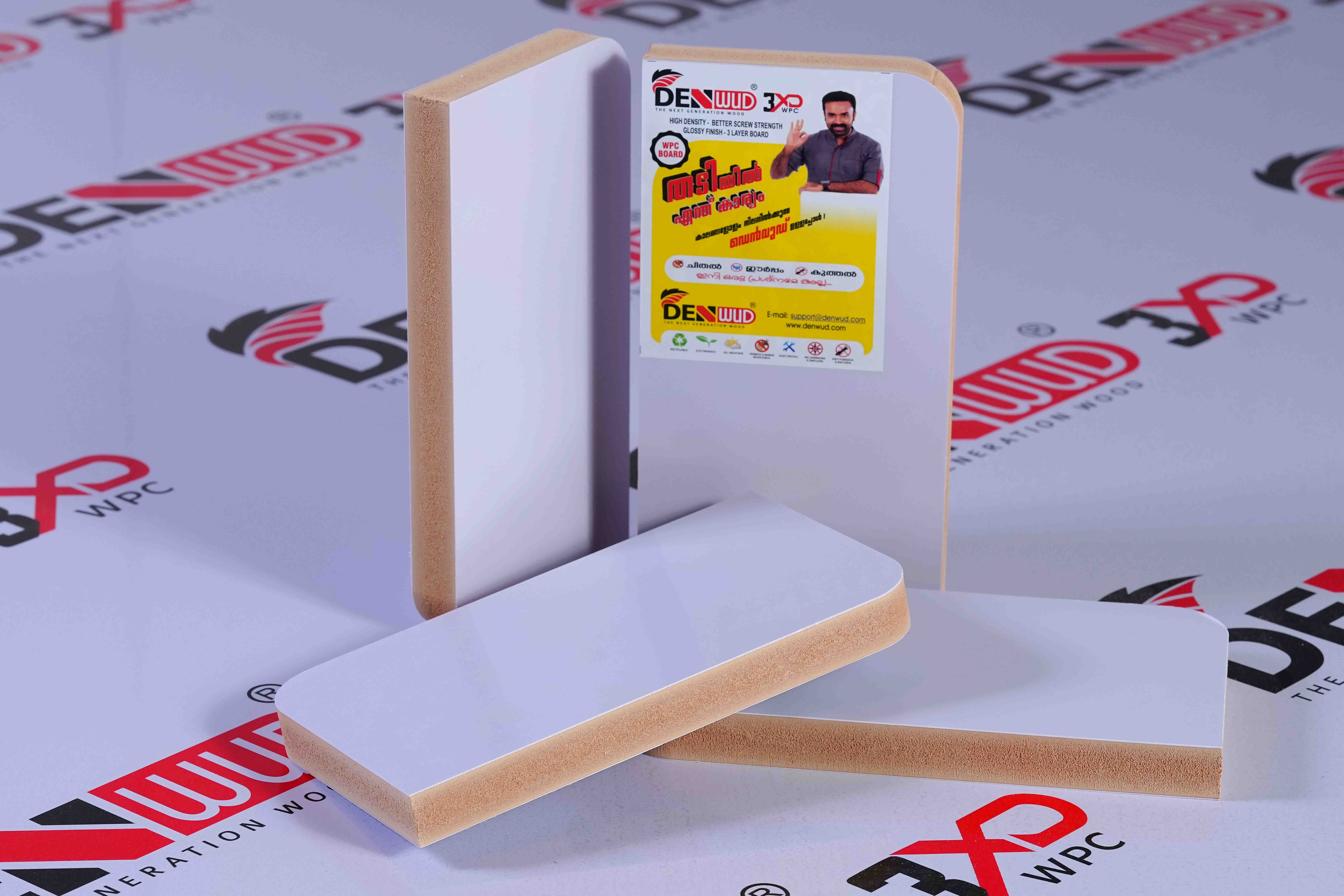
Benefits of Choosing WPC Boards | Denwudn | Kerala
14 Feb, 2024
Interior Design Ideas with Fluted Wall and Ceiling...
22 Feb, 2024
Why WPC Is The Architect’s New Favorite
11 Mar, 2024
Advantages of PVC Furniture: Stylish, Durable, and...
19 Mar, 2024
4 Reasons Why PVC Windows and Doors Are the Ultima...
27 Mar, 2024
Which is the Superior Choice? WPC Doors vs. FRP Do...
11 Apr, 2024
5 Reasons why you should use WPC doors
14 May, 2024
Choose Sustainability with WPC Board: The Future o...
30 May, 2024
Comparing WPC Boards to Traditional Wood: Pros and...
25 Jun, 2024
Choosing the Right PVC Foam Board for Your Project...
25 Jul, 2024
Transforming Interiors with PVC Foam Board: Modern...
16 Aug, 2024
Maintaining and caring for WPC boards: Tips for Lo...
28 Aug, 2024
Why WPC Boards Are the Perfect Eco-Friendly Altern...
11 Oct, 2024
Building Your Dream Interior? Here’s Why WPC and P...
29 Oct, 2024
How to Select the Proper PVC Foam Board Thickness...
07 Nov, 2024
Top Reasons to Choose Multiwood Sheets for Your Ho...
15 Nov, 2024
How to Choose the Best Multiwood Dealer for Your H...
05 Dec, 2024
Cost-Effective Solutions: How PVC Foam Boards Can...
28 Dec, 2024
The Process of Manufacturing WPC Boards: From Wast...
09 Jan, 2025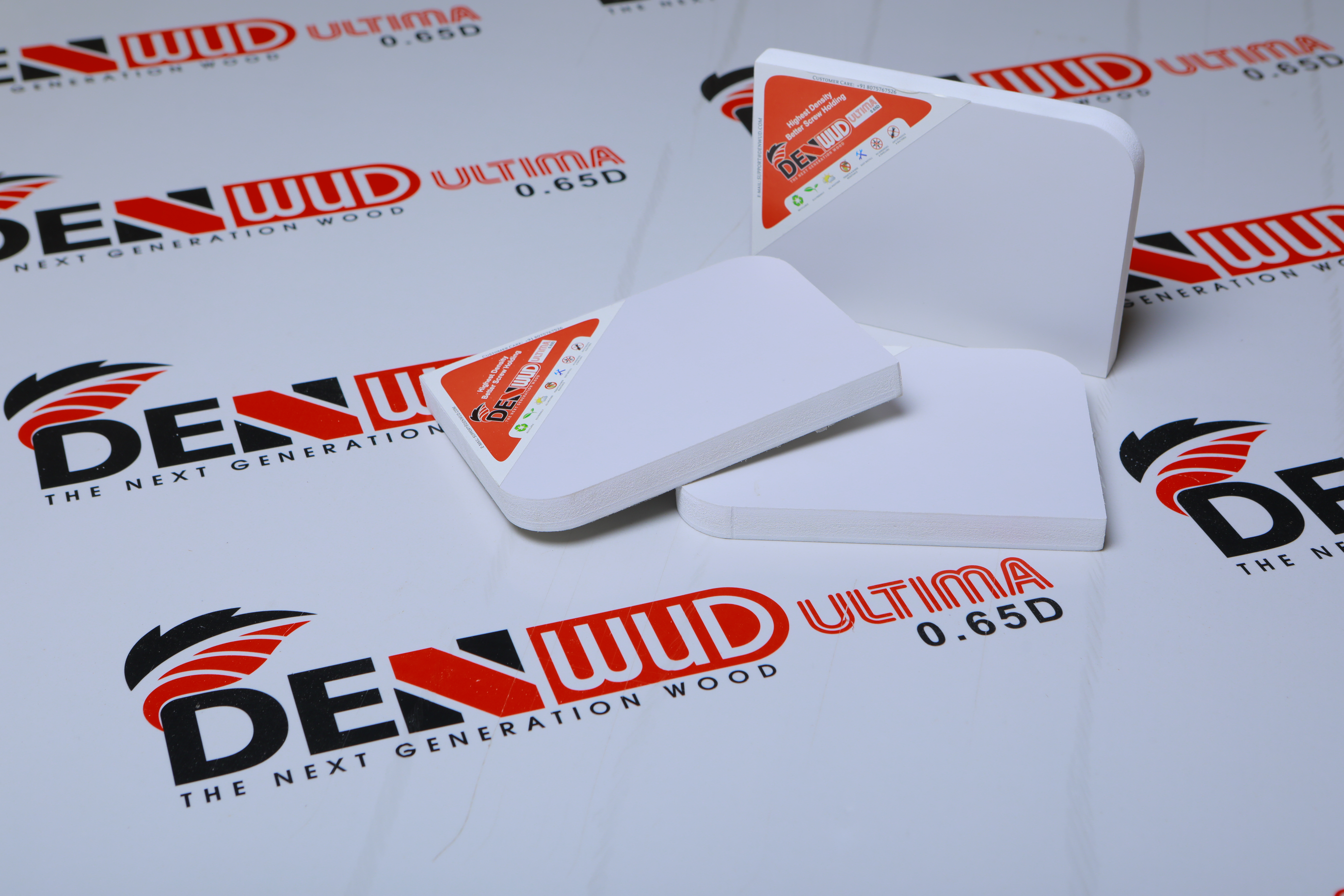
How Denwud Sheets Offer a Budget-Friendly Solution...
30 Jan, 2025
Why Choose WPC Boards for Your Home Renovation in...
14 Feb, 2025
WPC Boards for Outdoor Use: Durability and Weather...
25 Feb, 2025
Comparison of WPC Boards with Other Composite Mate...
06 Mar, 2025
Why Multiwood is the Preferred Choice for Modern H...
14 Mar, 2025
How to Choose the Best Multiwood Dealers for Your...
11 Apr, 2025
Advantages of Using Multiwood Sheets Over Plywood
25 Apr, 2025
Where to Find the Best Multiwood Sheets for Your H...
05 May, 2025
How Multiwood Dealers Are Meeting the Needs of Mod...
16 May, 2025
Local Sourcing vs Online Purchase: Where to Buy PV...
05 Jun, 2025
How to Use WPC Boards for Wardrobes and Interior F...
19 Jun, 2025
The Beginner’s Guide to Using Multiwood Sheets in...
07 Jul, 2025
Top Mistakes to Avoid When Using PVC Foam Boards i...
16 Jul, 2025
Everything You Should Know About Waterproof WPC Bo...
07 Aug, 2025
WPC Board vs PVC Board: Which One Should You Choo...
28 Aug, 2025
Emerging Trends in Multiwood Products and How Deal...
12 Sep, 2025
Creative Ideas for Kids’ Room Decor Using PVC Foam...
25 Sep, 2025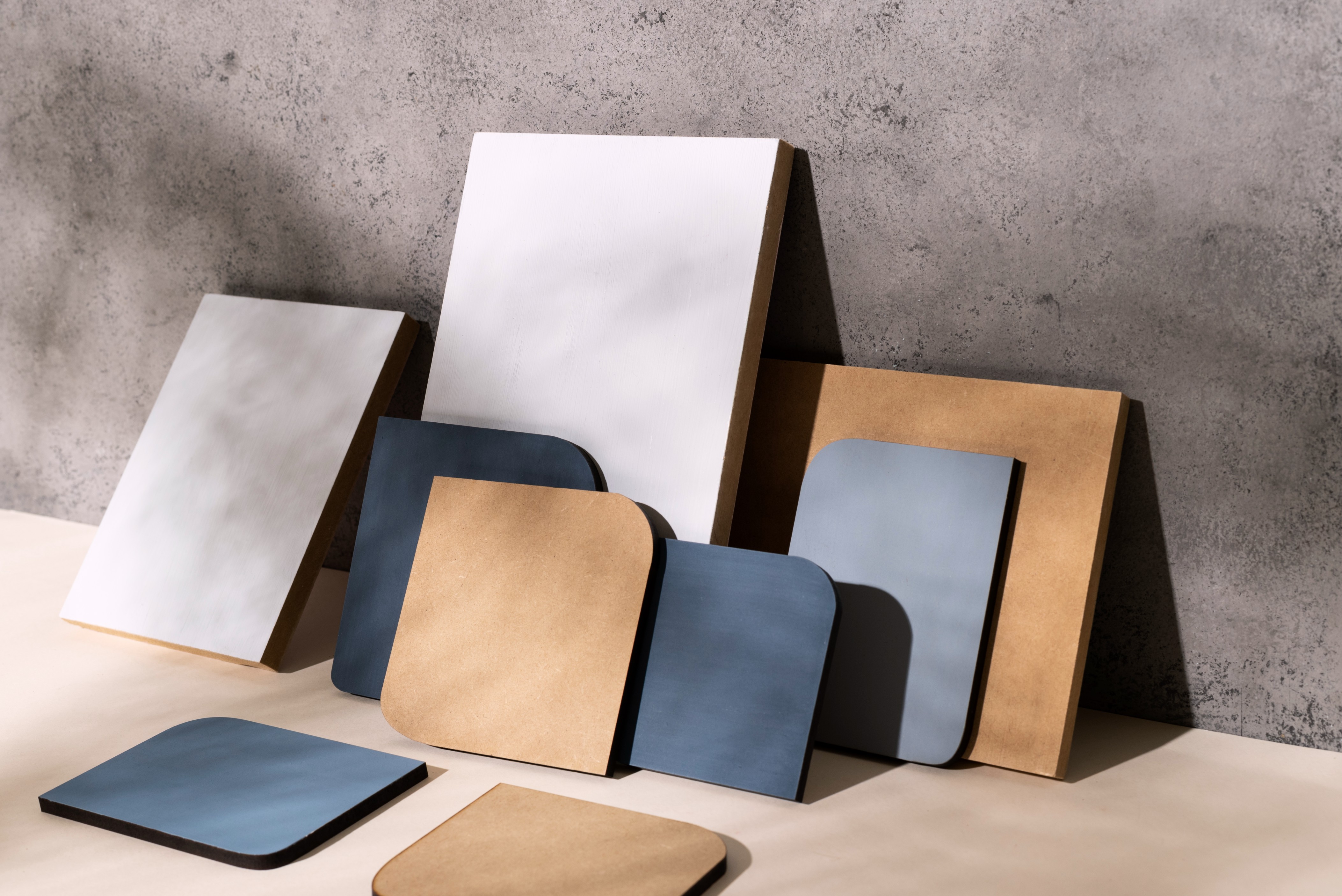
PVC Foam Board vs. Plywood: The Ultimate Compariso...
08 Oct, 2025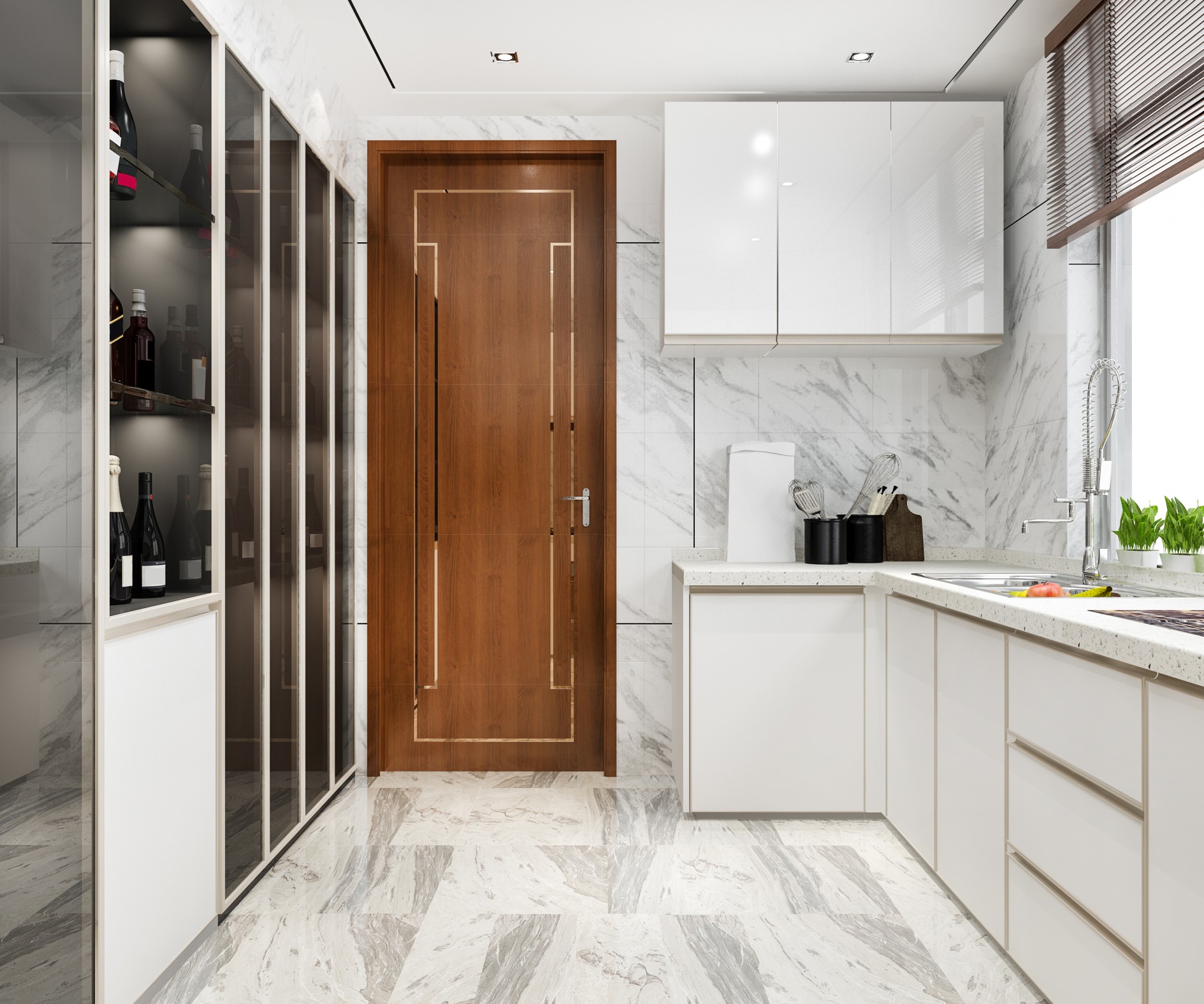
Top Reasons to Choose WPC Bathroom Doors for India...
30 Oct, 2025
A Guide to Choosing the Right Multiwood Dealer for...
27 Nov, 2025
The Long-Term Financial Benefits of Choosing WPC B...
01 Dec, 2025
The Ultimate Guide to 3-Layer WPC Boards and Their...
23 Dec, 2025
How to Choose the Right Decorative Laminate Sheet
22 Jan, 2026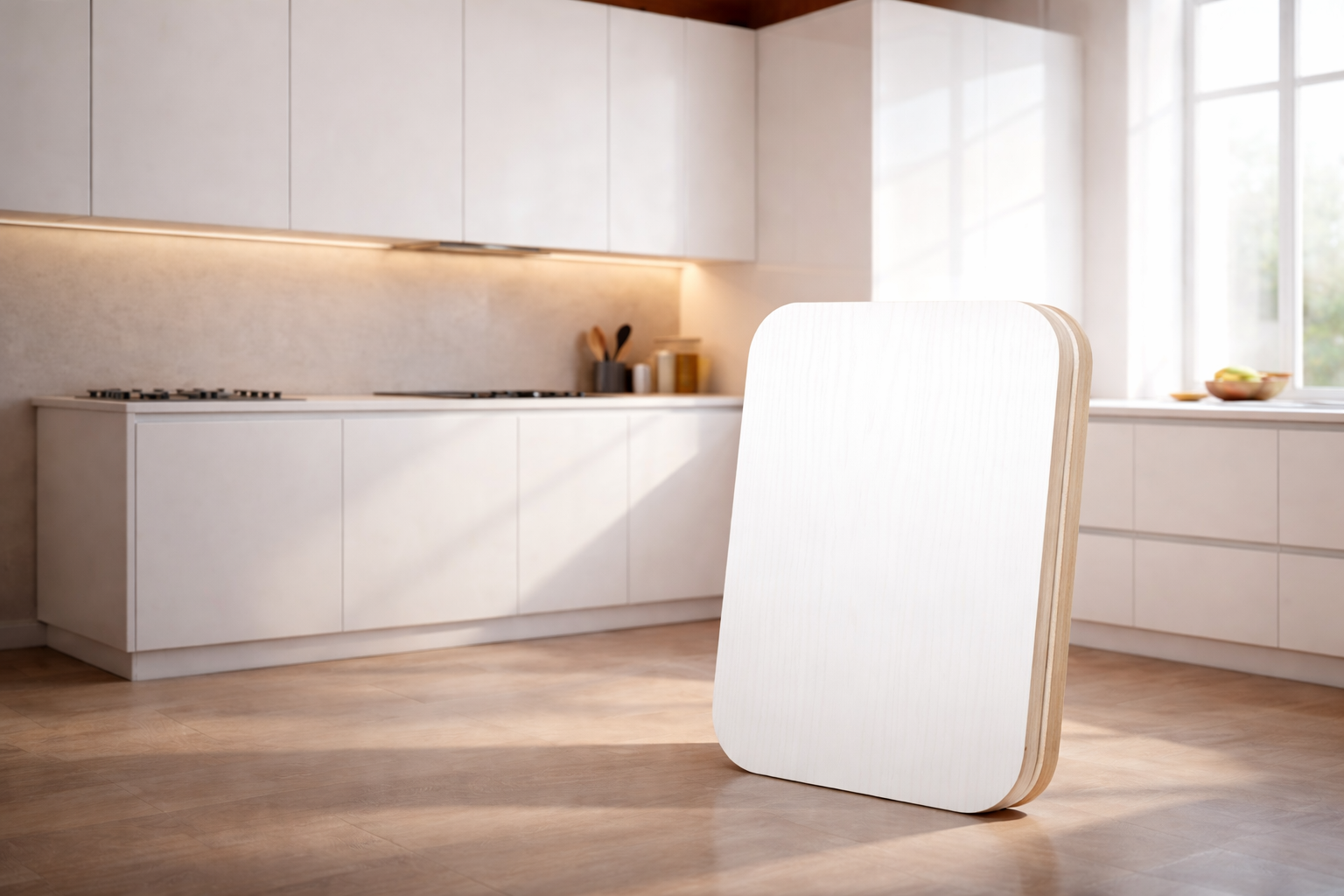
What Are 5-Layer WPC Boards? Features, Benefits, a...
02 Feb, 2026
What Makes a 5-Layer WPC Board Different from a Re...
20 Feb, 2026
Why Interior Designers Recommend PVC Boards for Mo...
26 Feb, 2026
Why Decorative Laminate Sheets Are Ideal for Comme...
27 Mar, 2026
Why WPC Door Frames Are Replacing Traditional Wood...
27 Mar, 2026
Why 3-Layer Colour WPC Boards Are the Future of Mo...
28 Apr, 2026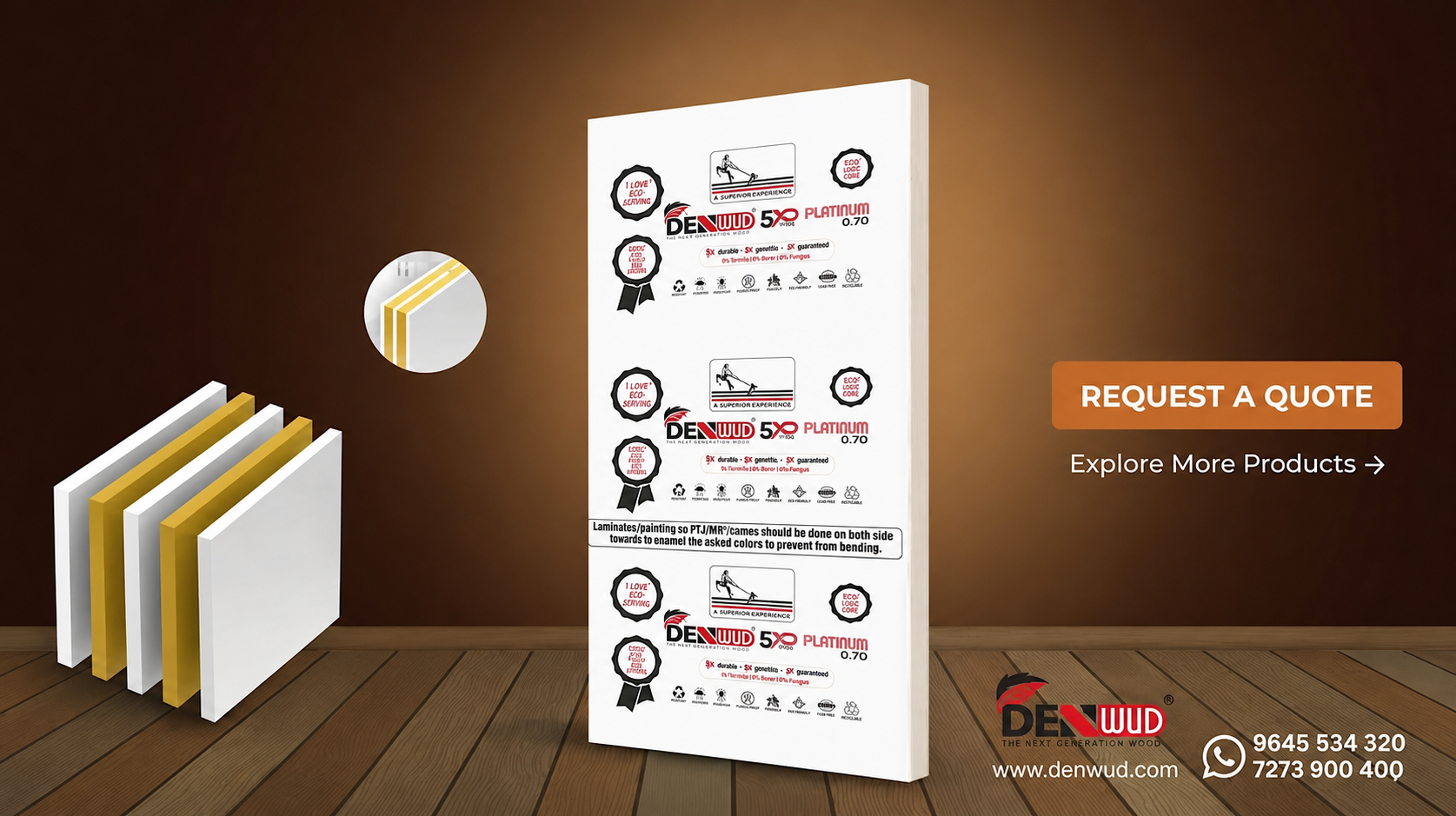
Everything You Need to Know About 3 Layer and 5 La...
04 May, 2026