How to Choose the Right Decorative Laminate Sheet
How to Choose the Right Decorative Laminate Sheet
Most people don’t realise how much a laminate affects a space until it’s already installed. Once it’s there, you live with it every single day — you see it, touch it, clean it, sometimes even regret it. That’s why choosing the right decorative laminate sheet isn’t a small decision. It’s one of those quiet choices that shape how comfortable, practical, and finished your interiors feel over time.
If you’ve ever stood in a laminate showroom feeling confused by endless colours and finishes, you’re not alone. This isn’t about memorising technical terms. It’s about understanding what actually matters.
Start with how the space is used, not how it looks
Before thinking about colour or design, ask a simple question: What will this surface go through every day?
A kitchen cabinet deals with heat, moisture, spills, and constant handling. A bedroom wardrobe doesn’t. An office table sees scratches, movement, and pressure. A wall panel mostly just needs to look good.
When you start here, many choices automatically eliminate themselves. You’re no longer choosing blindly — you’re choosing based on real-life use.
Finish isn’t just visual, it’s practical
Glossy laminates are beautiful in catalogues, but they are easy to have prints on. The matte finishes are smoother and conceal the smudges. Textured laminates add character but may need more cleaning depending on where they’re used.
There’s no “best” finish — only what fits your lifestyle. A home with kids, pets, or heavy daily use benefits from finishes that forgive wear. Spaces meant to impress visually can afford more dramatic surfaces.
This is where many people go wrong — choosing with the eyes alone.
Thickness and quality quietly decide longevity
Two laminates can look identical and still behave very differently after a year. Thickness plays a bigger role than most buyers realise. Thicker laminates generally handle impact better and feel more solid once installed.
Equally important is how well the laminate bonds to the base board. Poor-quality sheets may peel or chip over time, especially in areas exposed to heat or moisture. This is why it’s always worth asking about performance, not just appearance.
A decorative laminate sheet should age gracefully — not start looking tired after a few months.
Design should support the space, not overpower it
Design trends come and go fast. Interiors don’t.
Wood tones bring warmth and work across styles. Solid colours offer flexibility and are easier to live with long-term. Busy patterns can look exciting initially, but may feel overwhelming over time.
The safest approach? Let laminates complement the room rather than dominate it. If everything competes for attention, nothing feels calm.
Maintenance is where reality kicks in
No one wants surfaces that demand special care. No one wants surfaces that demand special care. Laminates are supposed to simplify life, which is not supposed to be an addition to daily work.
Good laminates have a good resistance to stains, scratches and heat exposure. They are easy to clean using a cloth and do not require cleaning or special cleaners. When a laminate needs attention at all times, then it is unlikely to be the appropriate one; however be it is as good as it looks.
This is particularly essential in the kitchen, offices and common areas.
Safety and sustainability are no longer optional
People are far more aware today of indoor air quality and material safety. Laminates with harmful emissions don’t belong in modern homes.
Choosing certified, low-emission laminates isn’t about trends — it’s about health and long-term comfort. Quality materials protect not just furniture, but the people living around them.
Take your time when you buy decorative laminate sheets
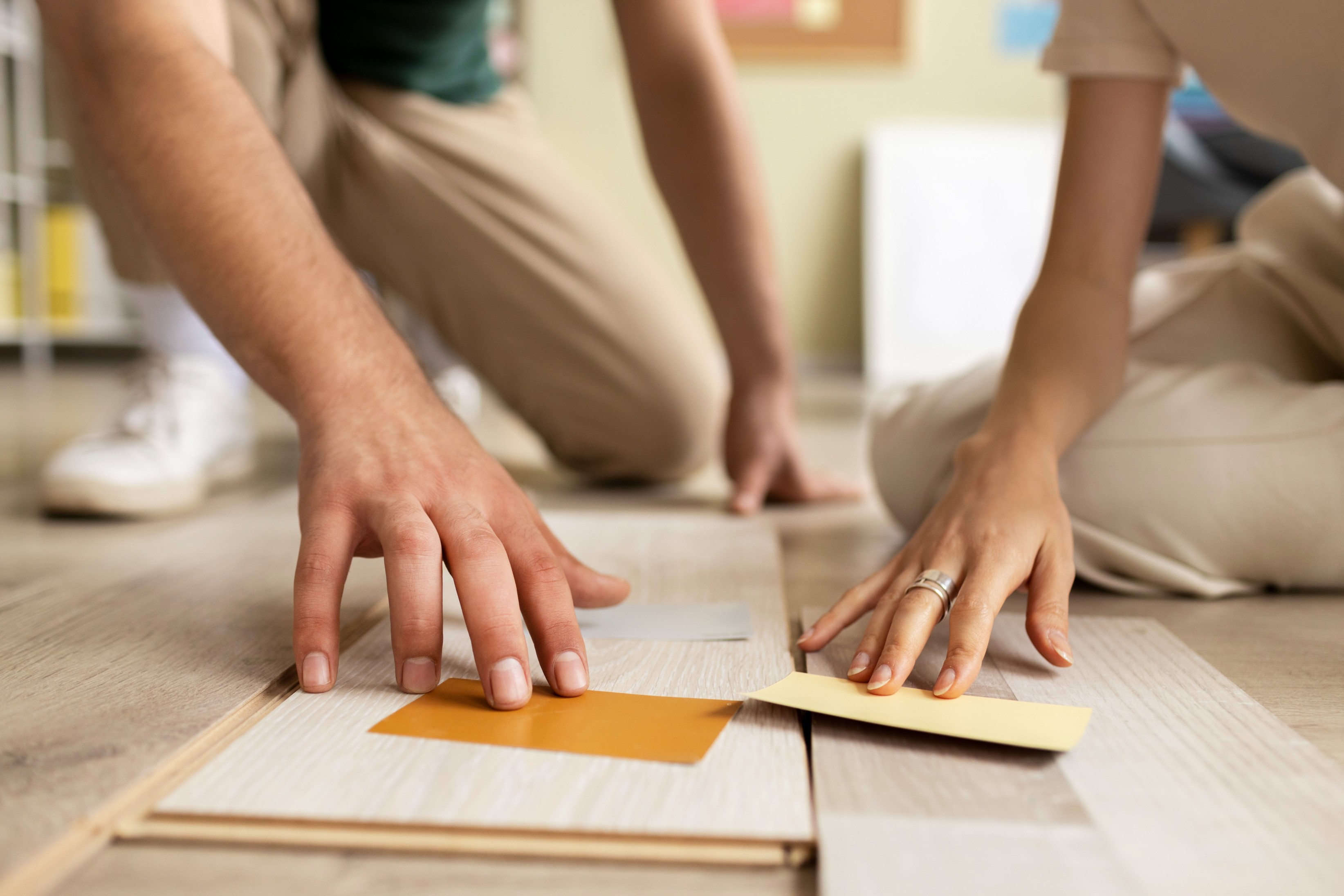
Rushing this step often leads to regret. Compare samples. See them in real lighting. Touch the surface. Ask how they perform over time.
When you buy decorative laminate sheets, think beyond immediate cost. Replacing poor-quality laminates costs far more than choosing the right one initially. Good laminates quietly do their job for years without demanding attention — and that’s exactly how it should be.
Final thoughts
Choosing the right laminate isn’t about following rules. It’s about understanding how you live and matching materials to that reality. When function and design work together, interiors feel effortless.
For those looking for laminate solutions that balance durability, appearance, and everyday practicality, options from Denwud are designed with long-term use in mind — not just first impressions.
FAQs
1. What is a decorative laminate sheet?
A decorative laminate sheet is a layer applied to furniture or panels to enhance their beauty and provide protection to the underlying material. It provides flexibility in its designs and helps in adding durability for everyday interiors.
2. Where can decorative laminate sheets be used?
They are applied on wardrobes, kitchen cabinets, tables, wall panels, office furniture and doors. The use of the laminate also relies on the thickness and grade of the laminate, meaning that either a vertical or horizontal surface can be used.
3. How do I choose the right decorative laminate sheet for my space?
Take into account the manner of use, the exposure to moisture or heat, the desired and the nature of maintenance. Laminate performance can be tailored to actual use, ensuring enhanced long-term performance and satisfaction.
4. Are decorative laminate sheets durable?
Yes, quality laminates are designed to resist scratches, stains, and daily wear. Their durability depends on thickness, bonding quality, and correct application in suitable interior environments.
5. How do I ensure quality when I buy decorative laminate sheets?
Check thickness, surface finish, certifications, and performance features. Viewing physical samples and choosing laminates suited to the specific application helps ensure lasting quality.
Recent Blogs
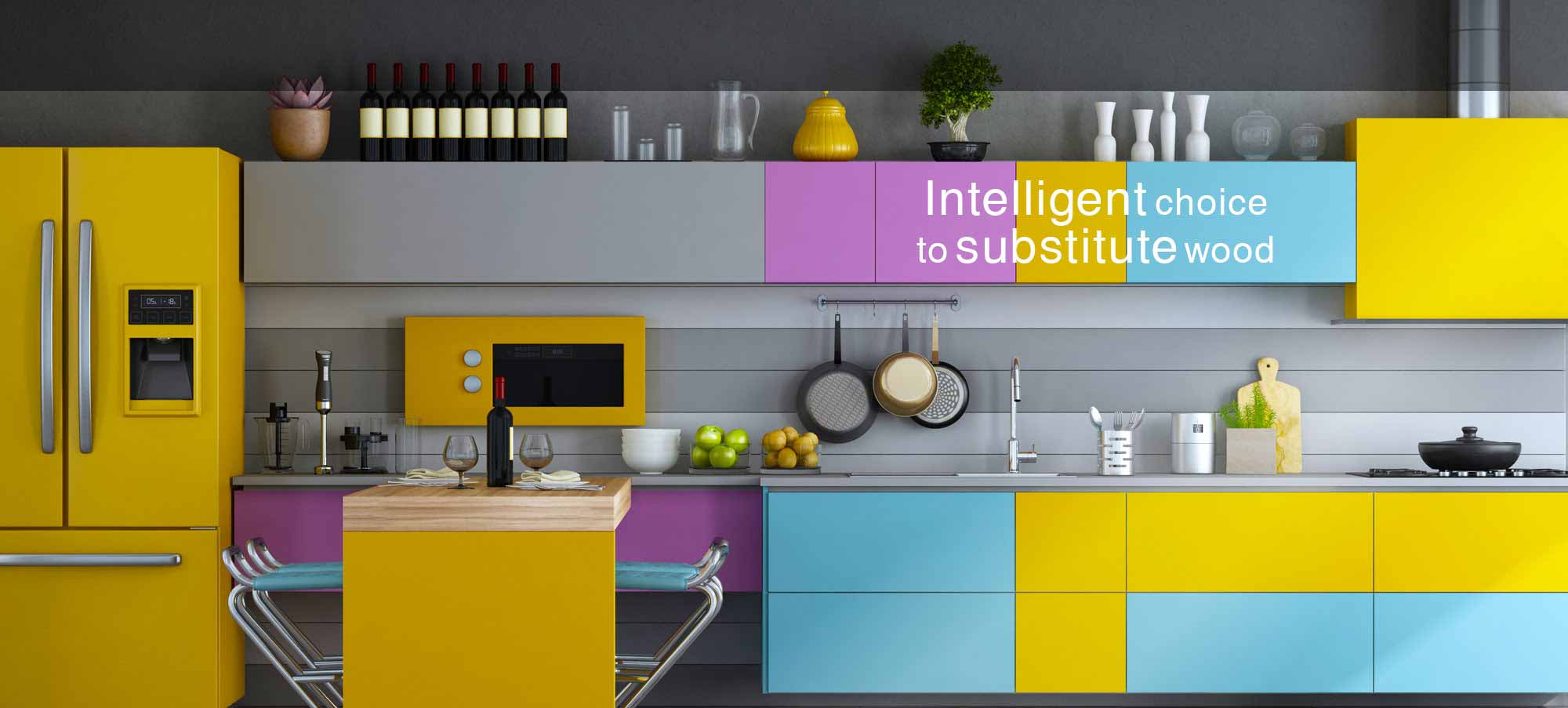
How to make Kitchen attractive?
09 Oct, 2021
Interior design materials that are the most Eco-Fr...
11 Oct, 2021
Ideas for Stunning Ceilings
11 Oct, 2021
Looking for an appropriate Gate for your House?
29 Oct, 2021
Manufacturing and Resistance of WPC Boards, PVC Sh...
29 Oct, 2021
Why most people choose PVC Walls
19 Jan, 2022
How Amazingly Facade Adorns An Architecture!
02 Mar, 2022
Advantages of WPC Boards Over Plywoods
20 Dec, 2023
Creating Stunning Outdoor Spaces with Denwud's...
08 Jan, 2024
5 Reasons Why You Should Choose PVC Foam Sheets...
10 Jan, 2024
Installing and Maintaining PVC and WPC Products
18 Jan, 2024
How to Create an Eco-Friendly Interior
29 Jan, 2024
5 Creative Ideas for Kitchen Cabinets
06 Feb, 2024
Benefits of Choosing WPC Boards | Denwudn | Kerala
14 Feb, 2024
Interior Design Ideas with Fluted Wall and Ceiling...
22 Feb, 2024
Why WPC Is The Architect’s New Favorite
11 Mar, 2024
Advantages of PVC Furniture: Stylish, Durable, and...
19 Mar, 2024
4 Reasons Why PVC Windows and Doors Are the Ultima...
27 Mar, 2024
Which is the Superior Choice? WPC Doors vs. FRP Do...
11 Apr, 2024
5 Reasons why you should use WPC doors
14 May, 2024
Choose Sustainability with WPC Board: The Future o...
30 May, 2024
Comparing WPC Boards to Traditional Wood: Pros and...
25 Jun, 2024
Choosing the Right PVC Foam Board for Your Project...
25 Jul, 2024
Transforming Interiors with PVC Foam Board: Modern...
16 Aug, 2024
Maintaining and caring for WPC boards: Tips for Lo...
28 Aug, 2024
Why WPC Boards Are the Perfect Eco-Friendly Altern...
11 Oct, 2024
Building Your Dream Interior? Here’s Why WPC and P...
29 Oct, 2024
How to Select the Proper PVC Foam Board Thickness...
07 Nov, 2024
Top Reasons to Choose Multiwood Sheets for Your Ho...
15 Nov, 2024
How to Choose the Best Multiwood Dealer for Your H...
05 Dec, 2024
Cost-Effective Solutions: How PVC Foam Boards Can...
28 Dec, 2024
The Process of Manufacturing WPC Boards: From Wast...
09 Jan, 2025
How Denwud Sheets Offer a Budget-Friendly Solution...
30 Jan, 2025
Why Choose WPC Boards for Your Home Renovation in...
14 Feb, 2025
WPC Boards for Outdoor Use: Durability and Weather...
25 Feb, 2025
Comparison of WPC Boards with Other Composite Mate...
06 Mar, 2025
Why Multiwood is the Preferred Choice for Modern H...
14 Mar, 2025
How to Choose the Best Multiwood Dealers for Your...
11 Apr, 2025
Advantages of Using Multiwood Sheets Over Plywood
25 Apr, 2025
Where to Find the Best Multiwood Sheets for Your H...
05 May, 2025
How Multiwood Dealers Are Meeting the Needs of Mod...
16 May, 2025
Local Sourcing vs Online Purchase: Where to Buy PV...
05 Jun, 2025
How to Use WPC Boards for Wardrobes and Interior F...
19 Jun, 2025
The Beginner’s Guide to Using Multiwood Sheets in...
07 Jul, 2025
Top Mistakes to Avoid When Using PVC Foam Boards i...
16 Jul, 2025
Everything You Should Know About Waterproof WPC Bo...
07 Aug, 2025
WPC Board vs PVC Board: Which One Should You Choo...
28 Aug, 2025
Emerging Trends in Multiwood Products and How Deal...
12 Sep, 2025
Creative Ideas for Kids’ Room Decor Using PVC Foam...
25 Sep, 2025
PVC Foam Board vs. Plywood: The Ultimate Compariso...
08 Oct, 2025
Top Reasons to Choose WPC Bathroom Doors for India...
30 Oct, 2025
A Guide to Choosing the Right Multiwood Dealer for...
27 Nov, 2025
The Long-Term Financial Benefits of Choosing WPC B...
01 Dec, 2025
The Ultimate Guide to 3-Layer WPC Boards and Their...
23 Dec, 2025
Why You Should Choose Denwud’s 3-Layered WPC Board...
29 Dec, 2025
What Are 5-Layer WPC Boards? Features, Benefits, a...
02 Feb, 2026
What Makes a 5-Layer WPC Board Different from a Re...
20 Feb, 2026
Why Interior Designers Recommend PVC Boards for Mo...
26 Feb, 2026
Why Decorative Laminate Sheets Are Ideal for Comme...
27 Mar, 2026
Why WPC Door Frames Are Replacing Traditional Wood...
27 Mar, 2026
Why 3-Layer Colour WPC Boards Are the Future of Mo...
28 Apr, 2026
Everything You Need to Know About 3 Layer and 5 La...
04 May, 2026