Why Interior Designers Recommend PVC Boards for Modern Kitchens
Why Interior Designers Recommend PVC Boards for Modern Kitchens
Walk into any kitchen after five years of heavy use, and you’ll quickly understand why material choice matters more than design trends.
Cabinets near the sink are slightly swollen. Edges peeling. Corners darkened from steam. Hinges are slightly loose because the board behind them has weakened. It doesn’t happen overnight — it happens slowly. Quietly.
This is more likely to be observed among interior designers compared to homeowners. They’re the ones called back when something fails. That’s probably why so many of them now recommend PVC boards for modern kitchens without hesitation.
It’s not a fashionable decision. It’s a practical one.
Designers Think Beyond Day One
When a kitchen is first installed, almost everything looks perfect. Clean finishes. Sharp lines. Smooth shutters. But designers don’t just think about installation day. They think about year three. Year six. Year ten.
They’ve worked on enough renovation projects to know where materials typically give up. Traditional wood-based boards, even good ones, are still vulnerable to moisture over time. Kitchens are humid spaces. Steam from cooking doesn’t disappear instantly. Water splashes happen daily.
PVC boards handle that environment differently. They don’t absorb moisture. They don’t swell if exposed to water. They don’t slowly weaken from inside.
For designers, fewer future problems mean better long-term satisfaction for clients.
The Sink Area Test
If you want to test the strength of any kitchen material, check the cabinet under the sink. That space tells the whole story.
Minor pipe leaks. Damp cleaning cloths are thrown inside. Condensation. Even careful homeowners can’t avoid these things completely. Over time, moisture finds its way in.
This is where durable PVC boards start proving their value. They stay stable in damp conditions. No bubbling. No softening. No unpleasant odor from hidden moisture damage. For designers who want to reduce maintenance complaints later, this reliability matters more than flashy finishes.
They’ve learned the hard way which materials survive and which ones don’t.
Termites? Not an Issue
Another reason designers lean toward PVC boards is simple: termites can’t damage them.
Anyone who has dealt with termite-infested cabinets understands how frustrating it is. Sometimes the surface looks fine while the inside has already weakened. Repairs become messy and expensive.
PVC boards remove that entire worry. There’s nothing organic for pests to feed on. For designers working in regions where termite issues are common, this becomes a major deciding factor.
They’d rather prevent a problem than fix one later.
Clean Lines That Stay Clean
Contemporary kitchens are all about smooth surfaces and minimal detailing. Sharp edges. Seamless finishes. Balanced proportions.
PVC boards support that design language well. They provide consistent texture and finish without the unpredictable behavior of natural wood. They don’t expand and contract noticeably with minor climate shifts. They stay relatively stable.
Many professionals now consider them among the best PVC boards for kitchen interiors because they allow design ideas to remain intact over time. What looks neat on installation day tends to stay that way longer.
That consistency builds trust between designer and client.
Lighter Boards, Easier Installations
Here’s something most homeowners don’t think about — weight.
PVC boards are lighter compared to many traditional boards. That makes them easier to handle during installation. It also reduces long-term stress on hinges and hardware.
Designers care about this because cabinets are opened and closed constantly. A lighter board means less strain, smoother movement, and better longevity overall.
It’s one of those small technical details that quietly improves daily use.
Maintenance Matters More Than We Admit
When clients sit down with designers, they often say something like, “We don’t want high maintenance.” It comes up again and again.
Nobody wants to repaint cabinets every few years. Nobody wants to worry about wiping water instantly to prevent swelling. PVC boards are relatively low maintenance. A simple cloth wipe is usually enough for cleaning. They don’t demand polishing. They don’t require special treatments.
For busy households, that simplicity becomes a huge relief.
Why Designers Trust Denwud
The quality of material is not only about the composition but also about consistency. Designers need brands they can rely on, project after project.
That’s where Denwud has quietly built confidence. When designers choose boards for kitchens, they look for performance first. Stability. Resistance. Longevity.
Using dependable PVC boards allows them to design freely without worrying about frequent service calls later. And that peace of mind is valuable in professional practice.
It’s About Real Kitchens, Not Showrooms
Showroom kitchens look perfect. But real kitchens are different. They deal with real cooking — frying, boiling, washing, cleaning, and repetition.
Interior designers recommend materials that survive daily life, not just photo sessions. PVC boards may not have the romantic appeal of natural wood, but they offer something more practical — predictability.
They perform consistently.
And in a space as demanding as a kitchen, consistency is often more important than character.
Final Thought
Design trends change. Finishes evolve. Colors go in and out of style.
Nevertheless, there is no change in the need for low-maintenance, moisture-resistant, and durable materials in kitchens.
This is why, currently, more interior designers advise using PVC boards not because they are fashionable, but because they have witnessed it to be effective Project after project.
Sometimes the smartest choice isn’t the most dramatic one.
It’s the one that simply lasts.
Recent Blogs
How to make Kitchen attractive?
09 Oct, 2021
Interior design materials that are the most Eco-Fr...
11 Oct, 2021
Ideas for Stunning Ceilings
11 Oct, 2021
Looking for an appropriate Gate for your House?
29 Oct, 2021
Manufacturing and Resistance of WPC Boards, PVC Sh...
29 Oct, 2021
Why most people choose PVC Walls
19 Jan, 2022
How Amazingly Facade Adorns An Architecture!
02 Mar, 2022
Advantages of WPC Boards Over Plywoods
20 Dec, 2023
Creating Stunning Outdoor Spaces with Denwud's...
08 Jan, 2024
5 Reasons Why You Should Choose PVC Foam Sheets...
10 Jan, 2024
Installing and Maintaining PVC and WPC Products
18 Jan, 2024
How to Create an Eco-Friendly Interior
29 Jan, 2024
5 Creative Ideas for Kitchen Cabinets
06 Feb, 2024
Benefits of Choosing WPC Boards | Denwudn | Kerala
14 Feb, 2024
Interior Design Ideas with Fluted Wall and Ceiling...
22 Feb, 2024
Why WPC Is The Architect’s New Favorite
11 Mar, 2024
Advantages of PVC Furniture: Stylish, Durable, and...
19 Mar, 2024
4 Reasons Why PVC Windows and Doors Are the Ultima...
27 Mar, 2024
Which is the Superior Choice? WPC Doors vs. FRP Do...
11 Apr, 2024
5 Reasons why you should use WPC doors
14 May, 2024
Choose Sustainability with WPC Board: The Future o...
30 May, 2024
Comparing WPC Boards to Traditional Wood: Pros and...
25 Jun, 2024
Choosing the Right PVC Foam Board for Your Project...
25 Jul, 2024
Transforming Interiors with PVC Foam Board: Modern...
16 Aug, 2024
Maintaining and caring for WPC boards: Tips for Lo...
28 Aug, 2024
Why WPC Boards Are the Perfect Eco-Friendly Altern...
11 Oct, 2024
Building Your Dream Interior? Here’s Why WPC and P...
29 Oct, 2024
How to Select the Proper PVC Foam Board Thickness...
07 Nov, 2024
Top Reasons to Choose Multiwood Sheets for Your Ho...
15 Nov, 2024
How to Choose the Best Multiwood Dealer for Your H...
05 Dec, 2024
Cost-Effective Solutions: How PVC Foam Boards Can...
28 Dec, 2024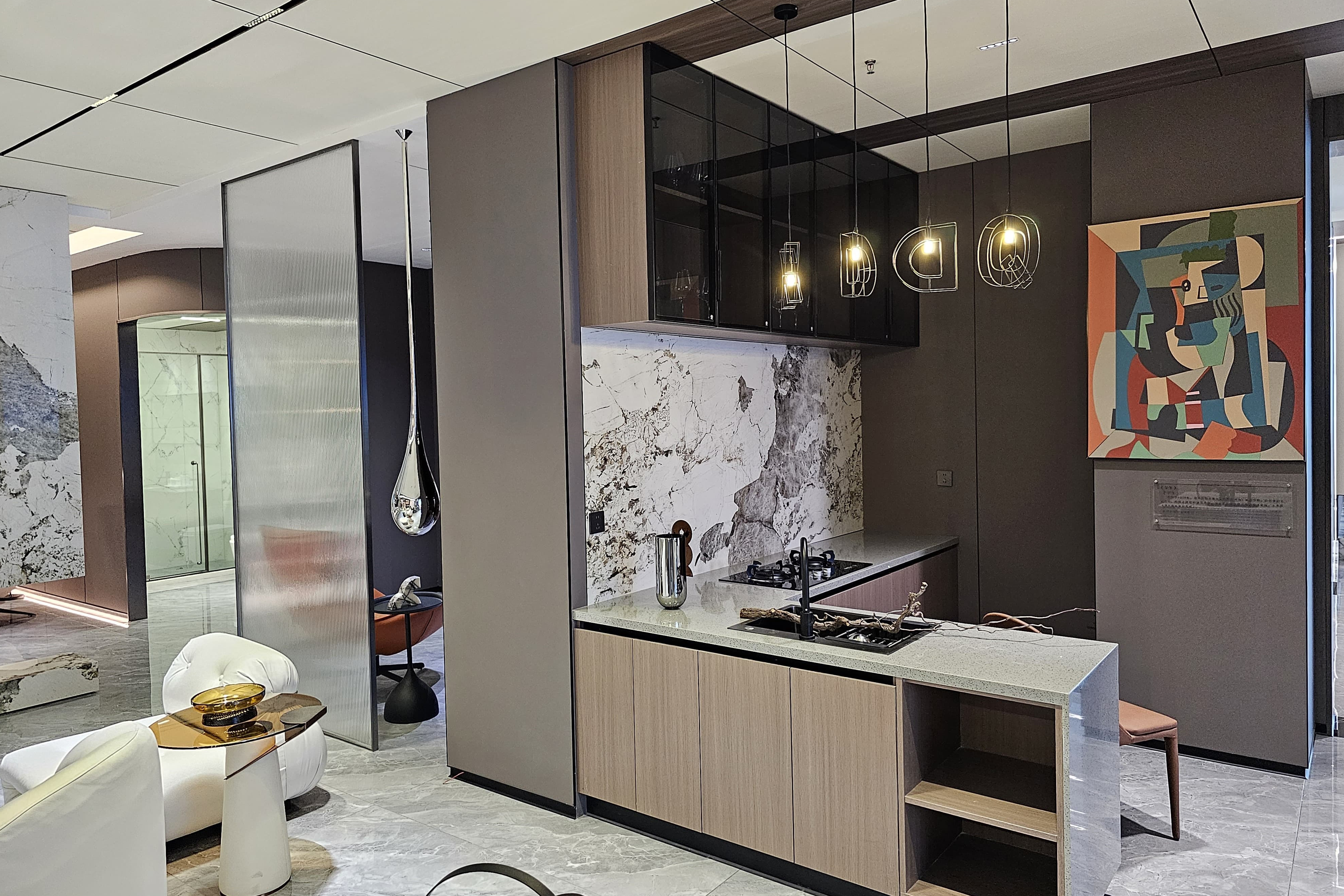
The Process of Manufacturing WPC Boards: From Wast...
09 Jan, 2025
How Denwud Sheets Offer a Budget-Friendly Solution...
30 Jan, 2025
Why Choose WPC Boards for Your Home Renovation in...
14 Feb, 2025
WPC Boards for Outdoor Use: Durability and Weather...
25 Feb, 2025
Comparison of WPC Boards with Other Composite Mate...
06 Mar, 2025
Why Multiwood is the Preferred Choice for Modern H...
14 Mar, 2025
How to Choose the Best Multiwood Dealers for Your...
11 Apr, 2025
Advantages of Using Multiwood Sheets Over Plywood
25 Apr, 2025
Where to Find the Best Multiwood Sheets for Your H...
05 May, 2025
How Multiwood Dealers Are Meeting the Needs of Mod...
16 May, 2025
Local Sourcing vs Online Purchase: Where to Buy PV...
05 Jun, 2025
How to Use WPC Boards for Wardrobes and Interior F...
19 Jun, 2025
The Beginner’s Guide to Using Multiwood Sheets in...
07 Jul, 2025
Top Mistakes to Avoid When Using PVC Foam Boards i...
16 Jul, 2025
Everything You Should Know About Waterproof WPC Bo...
07 Aug, 2025
WPC Board vs PVC Board: Which One Should You Choo...
28 Aug, 2025
Emerging Trends in Multiwood Products and How Deal...
12 Sep, 2025
Creative Ideas for Kids’ Room Decor Using PVC Foam...
25 Sep, 2025
PVC Foam Board vs. Plywood: The Ultimate Compariso...
08 Oct, 2025
Top Reasons to Choose WPC Bathroom Doors for India...
30 Oct, 2025
A Guide to Choosing the Right Multiwood Dealer for...
27 Nov, 2025
The Long-Term Financial Benefits of Choosing WPC B...
01 Dec, 2025
The Ultimate Guide to 3-Layer WPC Boards and Their...
23 Dec, 2025
Why You Should Choose Denwud’s 3-Layered WPC Board...
29 Dec, 2025
How to Choose the Right Decorative Laminate Sheet
22 Jan, 2026
What Are 5-Layer WPC Boards? Features, Benefits, a...
02 Feb, 2026
What Makes a 5-Layer WPC Board Different from a Re...
20 Feb, 2026
Why Decorative Laminate Sheets Are Ideal for Comme...
27 Mar, 2026
Why WPC Door Frames Are Replacing Traditional Wood...
27 Mar, 2026
Why 3-Layer Colour WPC Boards Are the Future of Mo...
28 Apr, 2026
Everything You Need to Know About 3 Layer and 5 La...
04 May, 2026