What Makes a 5-Layer WPC Board Different from a Regular WPC Board?

What Makes a 5-Layer WPC Board Different from a Regular WPC Board?
Walk into any modern kitchen or wardrobe showroom today, and you’ll hear one term often — WPC. It has become a trusted choice for interiors because it handles moisture better than plywood and lasts longer in tough conditions.
But here’s what many buyers don’t realize. Not every WPC board is the same inside. Some are built in a standard format. Others are engineered with multiple layers for added strength. Understanding this difference before you buy can save you money and future repair headaches.
Let’s break it down in simple terms.
What is a WPC Board?
WPC stands for Wood Plastic Composite. It’s a mix of wood fiber and thermoplastic materials. The idea is simple — combine the look of wood with the durability of plastic.
The result is a board that doesn’t swell easily and doesn’t attract termites.
A regular WPC board usually has a uniform structure throughout. It’s made using:
- Wood fiber for body and texture
- Thermoplastics for moisture resistance
- Additives for bonding and stability
The material is mixed and pressed into a solid board. It works well for many interior needs.
A regular WPC board is often used for kitchen cabinets, wardrobe shutters, partitions, and basic furniture frames. For most homes, it works perfectly fine.
It is widely preferred as a waterproof WPC board for areas like kitchens and bathrooms. Since termites cannot feed on it, many also choose it as a dependable termite-proof WPC board option over plywood.
For standard projects, it delivers good value.
What is a 5 Layer WPC Board?
A 5-layer WPC board is not just thicker or heavier. It’s engineered differently. Instead of one uniform core, it has five functional layers built into it.
Each layer plays a role. Together, they improve strength, surface finish, and long-term stability.
- Top protective layer – Protects against scratches and surface wear.
- Decorative layer – Ensures a smooth, even finish.
- Core structural layer – Handles strength and load.
- Reinforcement layer – Adds internal rigidity.
- Bottom stabilizing layer – Prevents bending and warping.
This layered design makes the 5-layer WPC board structurally stronger than a regular WPC board.
Key Differences Between 5-Layer and Regular WPC Boards
A regular WPC board handles everyday loads well. For wardrobes and cabinet shutters, it performs reliably.
But when you deal with large kitchen counters or heavy fittings, the 5-layer WPC board shows its advantage. It bends less. It holds shape better. Over time, it resists sagging more effectively.
For interior designers working on premium kitchens, this matters.
Water and Moisture Resistance
Both types function as a waterproof WPC board. They don’t absorb water like plywood.
However, the multi-layer construction of a 5-layer WPC board improves dimensional stability in high humidity. In coastal or humid regions, that added control over expansion and contraction makes a difference.
Termite and Pest Resistance
Both are strong as a termite-proof WPC board solution. Since there’s no natural wood core, pests don’t get what they need to survive.
That said, the denser internal structure of a 5 layer WPC board adds one more level of resistance. It’s harder and more compact inside.
Surface Finish and Aesthetics
A regular WPC board offers a workable surface for laminates and paint.
A 5 layer WPC board provides more consistent smoothness. The decorative layer ensures uniform texture across the panel. For projects where finish quality is critical, this gives better visual results.
Lifespan and Performance
Over five or ten years, performance shows clearly.
A regular WPC board holds up well in most homes. But under heavier use, the 5 layer WPC board tends to age better. Less bending. Less surface fatigue. Better structural stability.
Advantages of 5-Layer WPC Boards
Higher Strength
Layered construction distributes stress evenly. This improves overall durability.
Better Screw Holding Capacity
One common complaint in cabinetry is loose screws. A 5 layer WPC board grips screws more firmly, especially in modular kitchens.
Enhanced Stability
Temperature and moisture changes cause expansion. The stabilizing layers reduce this movement.
Improved Fire Resistance
Some advanced variants are designed with better fire-retardant properties. This adds safety value in interior projects.
Ideal for Premium Interiors
For luxury wardrobes, high-end kitchens, and commercial setups, the 5 layer WPC board offers peace of mind.
Cost Comparison: Is 5-Layer Worth It?
A regular WPC board is more budget-friendly. For standard homes and moderate use, it makes sense.
A 5 layer WPC board costs more due to its engineered build. But when you factor in strength, screw holding, and lifespan, the added cost often balances out over time.
It’s not about price alone. It’s about where and how the board will be used.
Final Thoughts
Both boards have their place.
A regular WPC board is practical, durable, and suitable for most everyday interiors. It performs well as a waterproof WPC board and as a termite proof WPC board in typical home conditions.
A 5 layer WPC board goes a step further. It offers better structure, better finish, and stronger long-term performance.
The smart choice depends on your project. If you’re designing a high-load kitchen or premium installation, the layered option may be worth it. Before finalizing, speak to material experts, understand your usage needs, and choose accordingly.
The right board today means fewer problems tomorrow.
Recent Blogs
How to make Kitchen attractive?
09 Oct, 2021
Interior design materials that are the most Eco-Fr...
11 Oct, 2021
Ideas for Stunning Ceilings
11 Oct, 2021
Looking for an appropriate Gate for your House?
29 Oct, 2021
Manufacturing and Resistance of WPC Boards, PVC Sh...
29 Oct, 2021
Why most people choose PVC Walls
19 Jan, 2022
How Amazingly Facade Adorns An Architecture!
02 Mar, 2022
Advantages of WPC Boards Over Plywoods
20 Dec, 2023
Creating Stunning Outdoor Spaces with Denwud's...
08 Jan, 2024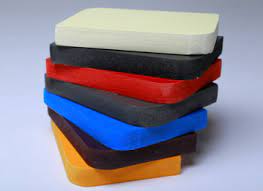
5 Reasons Why You Should Choose PVC Foam Sheets...
10 Jan, 2024
Installing and Maintaining PVC and WPC Products
18 Jan, 2024
How to Create an Eco-Friendly Interior
29 Jan, 2024
5 Creative Ideas for Kitchen Cabinets
06 Feb, 2024
Benefits of Choosing WPC Boards | Denwudn | Kerala
14 Feb, 2024
Interior Design Ideas with Fluted Wall and Ceiling...
22 Feb, 2024
Why WPC Is The Architect’s New Favorite
11 Mar, 2024
Advantages of PVC Furniture: Stylish, Durable, and...
19 Mar, 2024
4 Reasons Why PVC Windows and Doors Are the Ultima...
27 Mar, 2024
Which is the Superior Choice? WPC Doors vs. FRP Do...
11 Apr, 2024
5 Reasons why you should use WPC doors
14 May, 2024
Choose Sustainability with WPC Board: The Future o...
30 May, 2024
Comparing WPC Boards to Traditional Wood: Pros and...
25 Jun, 2024
Choosing the Right PVC Foam Board for Your Project...
25 Jul, 2024
Transforming Interiors with PVC Foam Board: Modern...
16 Aug, 2024
Maintaining and caring for WPC boards: Tips for Lo...
28 Aug, 2024
Why WPC Boards Are the Perfect Eco-Friendly Altern...
11 Oct, 2024
Building Your Dream Interior? Here’s Why WPC and P...
29 Oct, 2024
How to Select the Proper PVC Foam Board Thickness...
07 Nov, 2024
Top Reasons to Choose Multiwood Sheets for Your Ho...
15 Nov, 2024
How to Choose the Best Multiwood Dealer for Your H...
05 Dec, 2024
Cost-Effective Solutions: How PVC Foam Boards Can...
28 Dec, 2024
The Process of Manufacturing WPC Boards: From Wast...
09 Jan, 2025
How Denwud Sheets Offer a Budget-Friendly Solution...
30 Jan, 2025
Why Choose WPC Boards for Your Home Renovation in...
14 Feb, 2025
WPC Boards for Outdoor Use: Durability and Weather...
25 Feb, 2025
Comparison of WPC Boards with Other Composite Mate...
06 Mar, 2025
Why Multiwood is the Preferred Choice for Modern H...
14 Mar, 2025
How to Choose the Best Multiwood Dealers for Your...
11 Apr, 2025
Advantages of Using Multiwood Sheets Over Plywood
25 Apr, 2025
Where to Find the Best Multiwood Sheets for Your H...
05 May, 2025
How Multiwood Dealers Are Meeting the Needs of Mod...
16 May, 2025
Local Sourcing vs Online Purchase: Where to Buy PV...
05 Jun, 2025
How to Use WPC Boards for Wardrobes and Interior F...
19 Jun, 2025
The Beginner’s Guide to Using Multiwood Sheets in...
07 Jul, 2025
Top Mistakes to Avoid When Using PVC Foam Boards i...
16 Jul, 2025
Everything You Should Know About Waterproof WPC Bo...
07 Aug, 2025
WPC Board vs PVC Board: Which One Should You Choo...
28 Aug, 2025
Emerging Trends in Multiwood Products and How Deal...
12 Sep, 2025
Creative Ideas for Kids’ Room Decor Using PVC Foam...
25 Sep, 2025
PVC Foam Board vs. Plywood: The Ultimate Compariso...
08 Oct, 2025
Top Reasons to Choose WPC Bathroom Doors for India...
30 Oct, 2025
A Guide to Choosing the Right Multiwood Dealer for...
27 Nov, 2025
The Long-Term Financial Benefits of Choosing WPC B...
01 Dec, 2025
The Ultimate Guide to 3-Layer WPC Boards and Their...
23 Dec, 2025
Why You Should Choose Denwud’s 3-Layered WPC Board...
29 Dec, 2025
How to Choose the Right Decorative Laminate Sheet
22 Jan, 2026
What Are 5-Layer WPC Boards? Features, Benefits, a...
02 Feb, 2026
Why Interior Designers Recommend PVC Boards for Mo...
26 Feb, 2026
Why Decorative Laminate Sheets Are Ideal for Comme...
27 Mar, 2026
Why WPC Door Frames Are Replacing Traditional Wood...
27 Mar, 2026
Why 3-Layer Colour WPC Boards Are the Future of Mo...
28 Apr, 2026
Everything You Need to Know About 3 Layer and 5 La...
04 May, 2026